
Importing furniture is straightforward once each stage is planned. Use this checklist to brief suppliers clearly and avoid the most common delays.
1. Define the product list and specifications
List every item with target dimensions, materials, colours and quantities. Include photos or catalogue references, and note any market-specific requirements such as fire standards or plug types for lighting.
2. Request quotations with the same assumptions
Ask each supplier to quote on the same basis so prices are comparable. A complete quotation should state:
- Unit price and the Incoterm it is based on
- Minimum order quantity (MOQ) per item or per container
- Production lead time after deposit and sample approval
- Packing method, carton size, volume (CBM) and gross weight
- Payment terms
3. Understand the Incoterm
- FOB — the supplier delivers the goods loaded at the Chinese port; you arrange sea freight and insurance.
- CIF — the supplier also pays freight and basic insurance to your destination port.
- DDP — the supplier delivers to your address with duties paid; convenient, but check what is included.
4. Approve samples and materials
Confirm fabric, leather, wood and stone samples before mass production. For custom pieces, a pre-production sample or detailed shop drawing avoids misunderstandings about proportions and finishes.
5. Plan packing and container loading
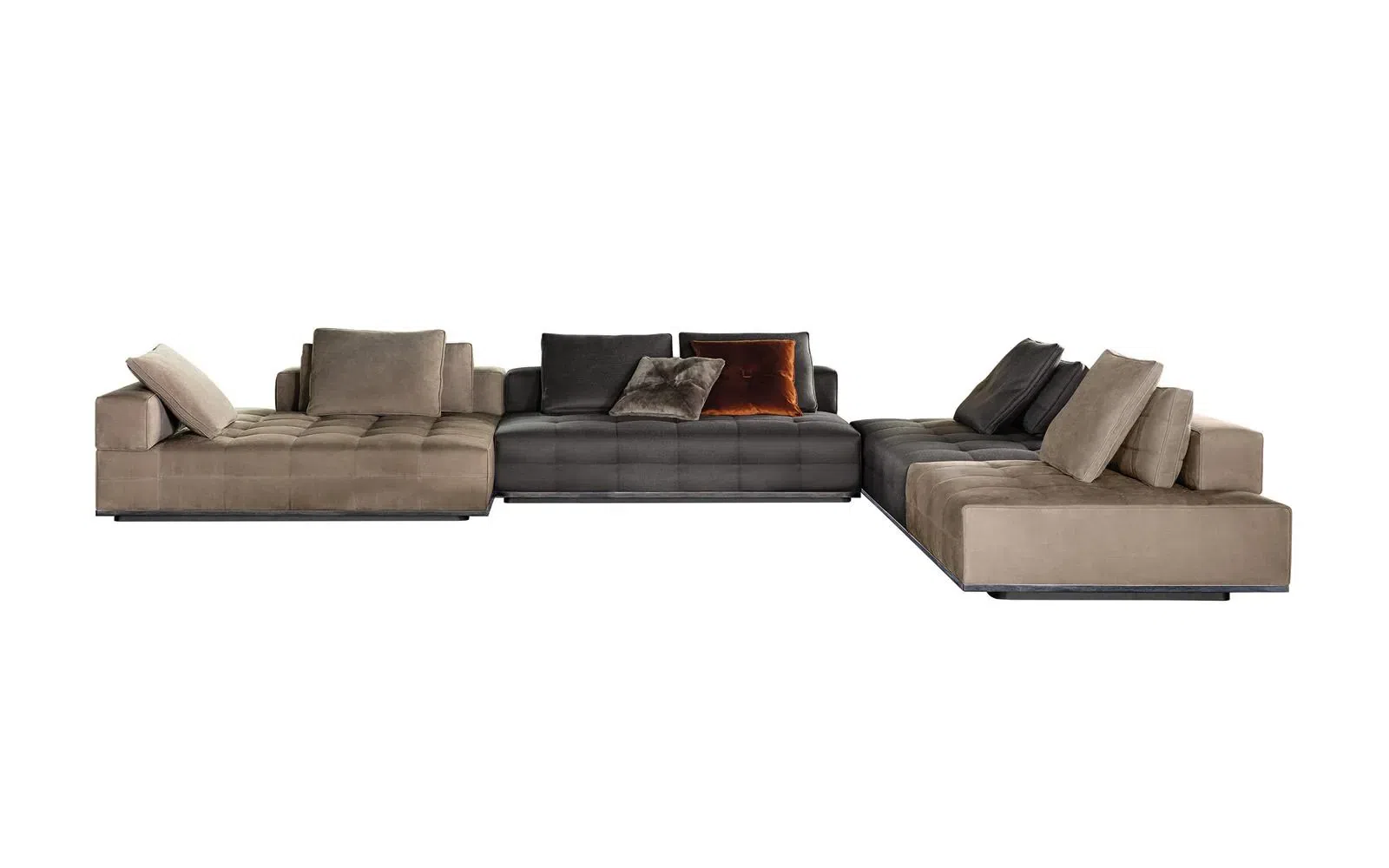
Upholstered furniture is often shipped fully assembled, while tables and cabinets may be knock-down (KD) to save space. Ask for a loading plan: a 40ft high-cube container holds far more than a 20ft container, which can change your landed cost per piece significantly.
6. Inspect before shipment
Arrange a pre-shipment inspection — by your own team or a third party — covering dimensions, finish, function and packing. Agree acceptance criteria in advance.
7. Prepare documents and customs clearance
Typical documents include the commercial invoice, packing list, bill of lading and, where relevant, a certificate of origin or fumigation certificate for wooden packing. Your customs broker can confirm local requirements.
Ready to start? Browse the Pofung Furniture collections or send your product list for a quotation.