
Contemporary interiors often fall into one of two directions: modern minimalism, which relies on proportion and restraint, and light luxury, which adds tailoring, sheen and decorative detail. Understanding the difference makes it easier to brief a designer, build a product list and keep a project consistent.
Modern minimalism: calm through proportion
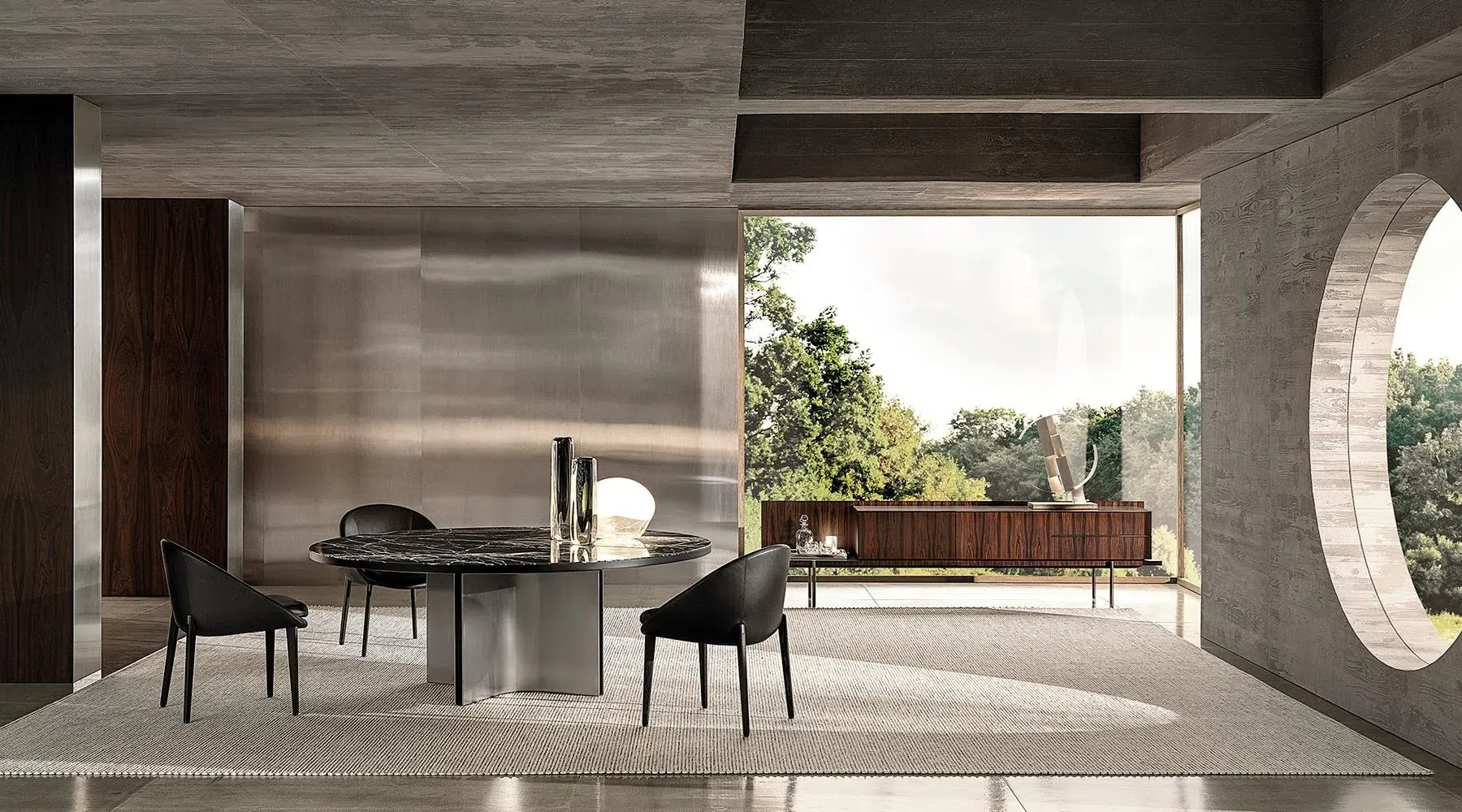
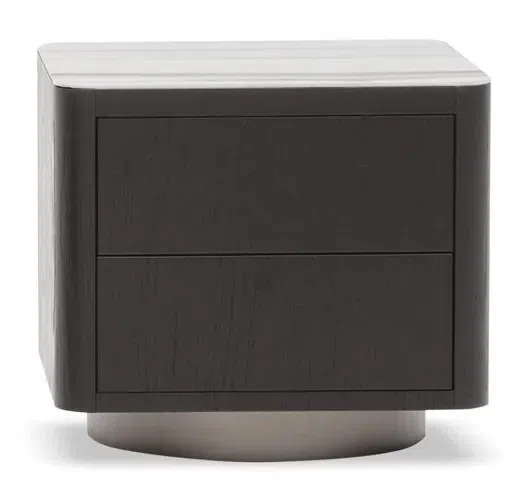
Minimal interiors use low, architectural silhouettes and a limited palette. The focus is on volume and material rather than ornament.
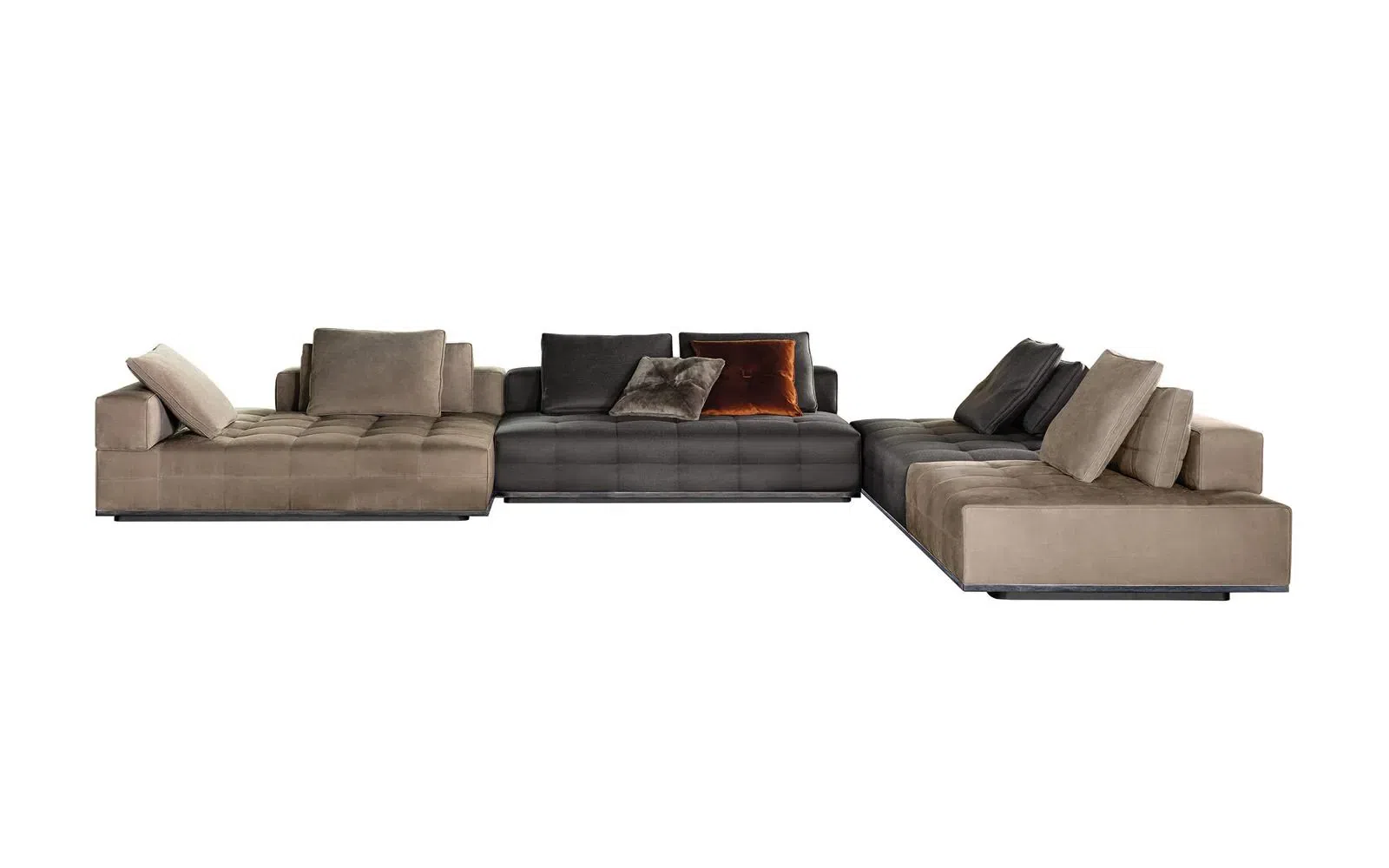
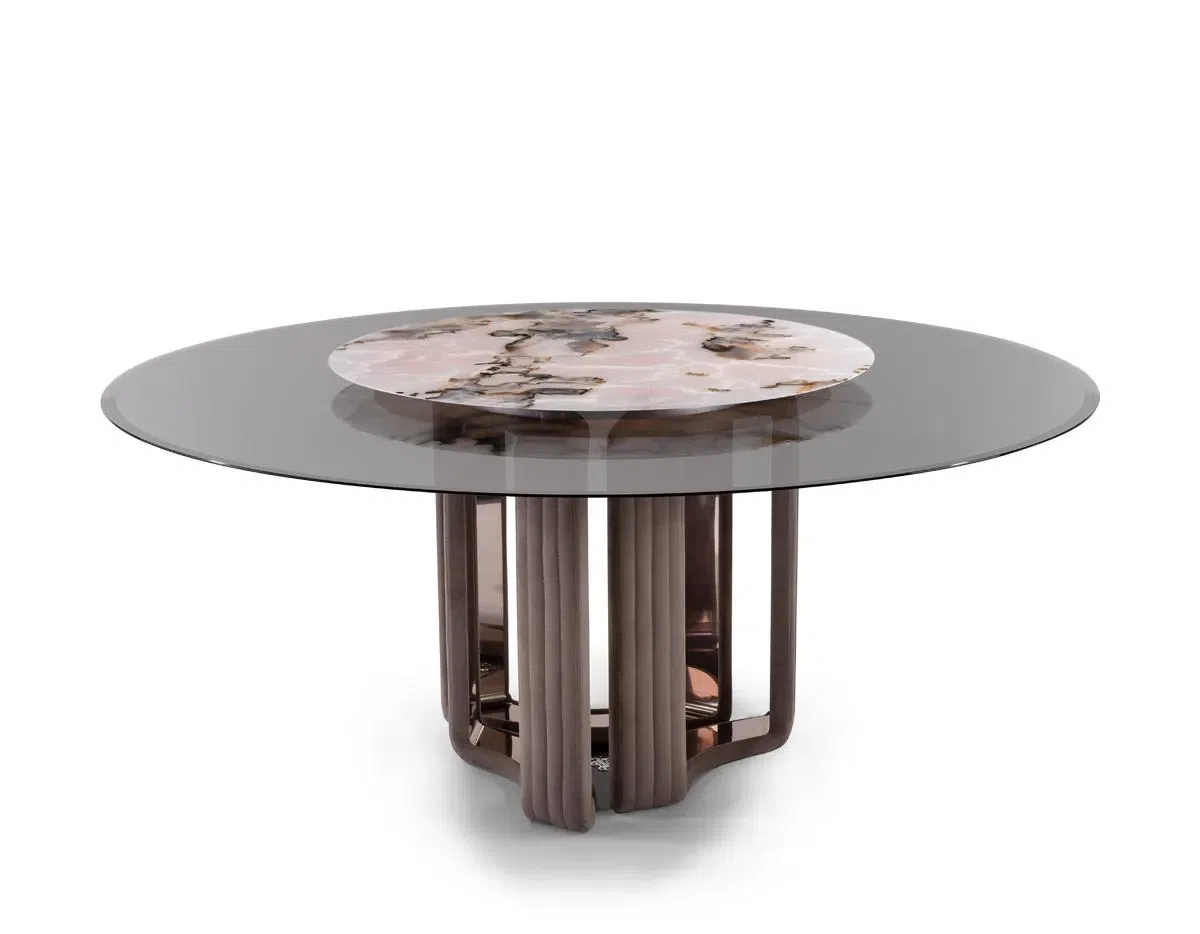
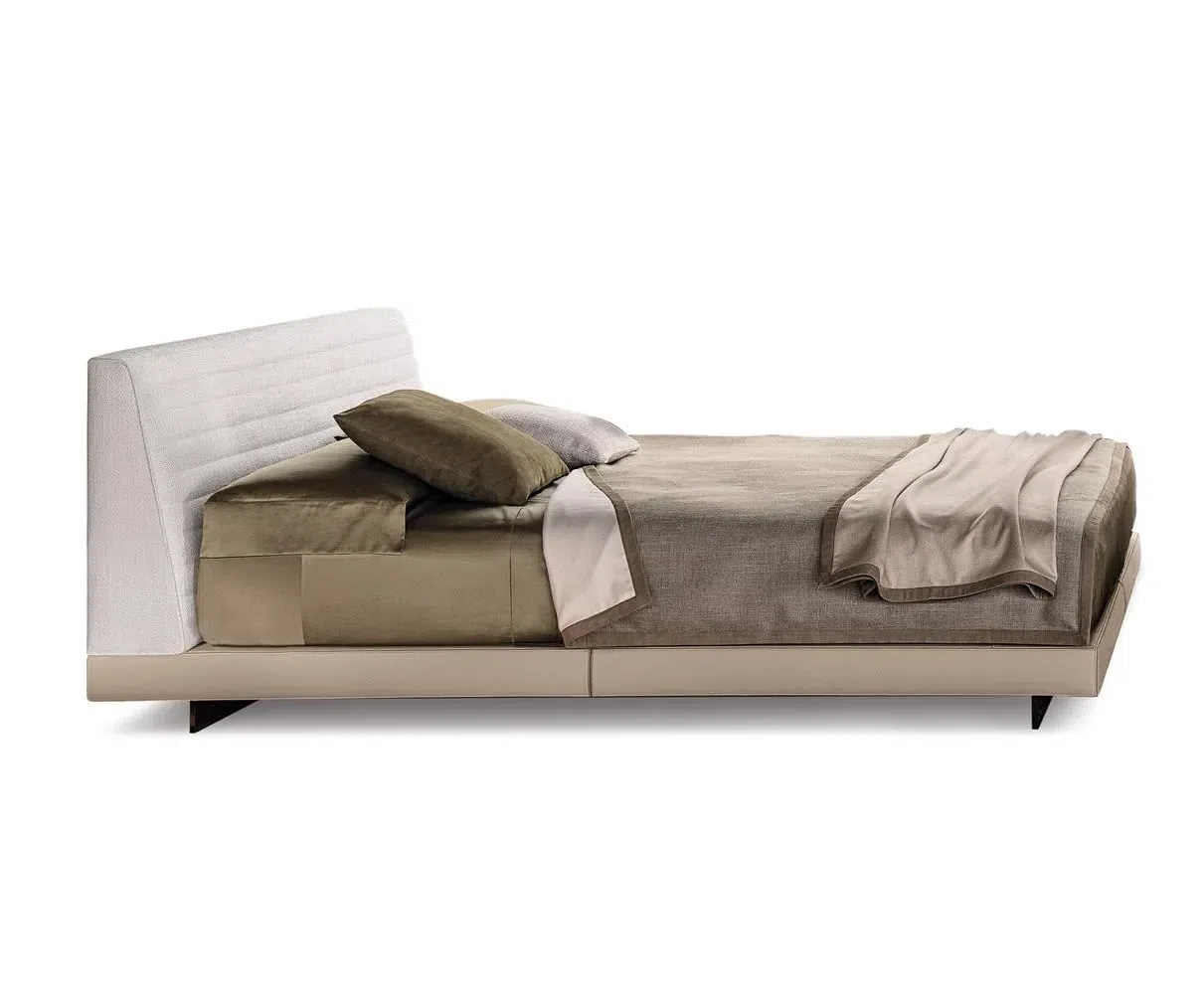
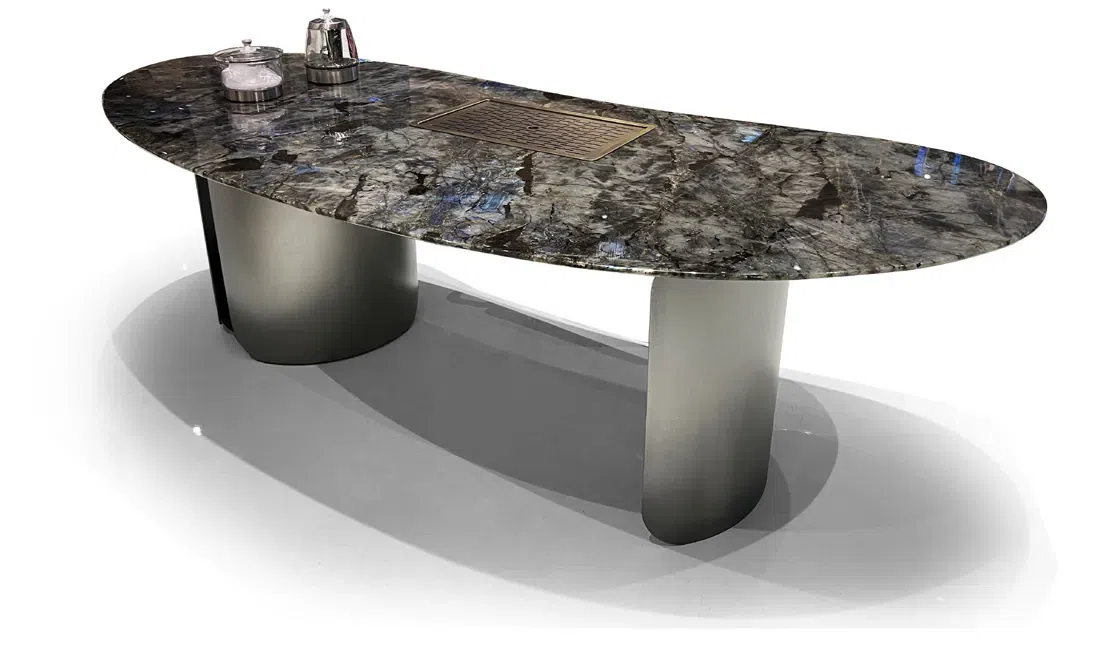
- Silhouettes: low modular sofas, platform beds, slim tables with sculptural bases.
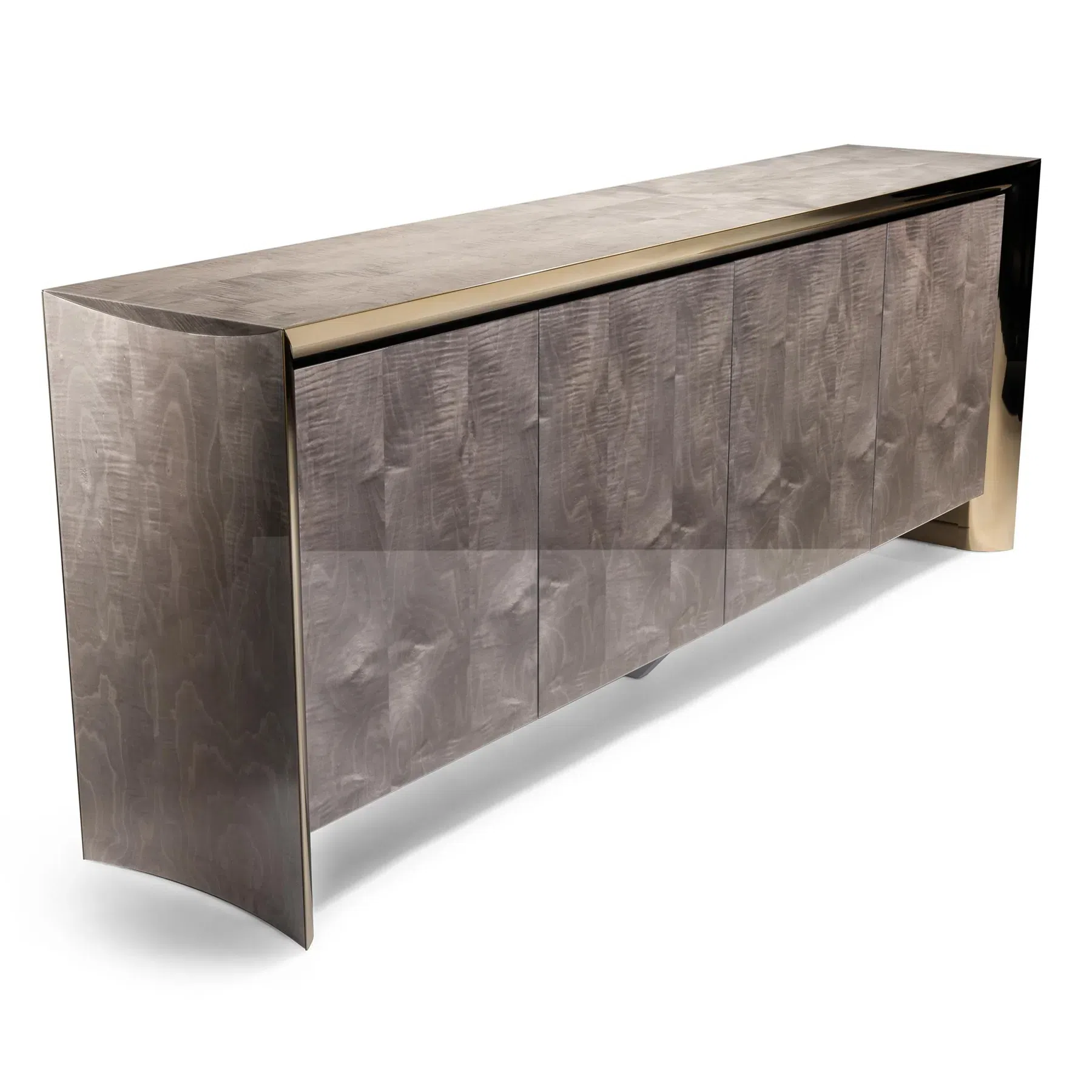
- Materials: walnut and eucalyptus veneers, matte marble, textured fabrics, bronze or gun-metal accents.
- Colour: warm greys, sand, taupe and deep brown, with one or two muted accents.
This approach suits apartments, show flats and spaces where architecture and views should lead. Browse the Modern Series for examples.
Light luxury: refined and expressive
Light luxury keeps a contemporary base but layers in craft details that catch the light.
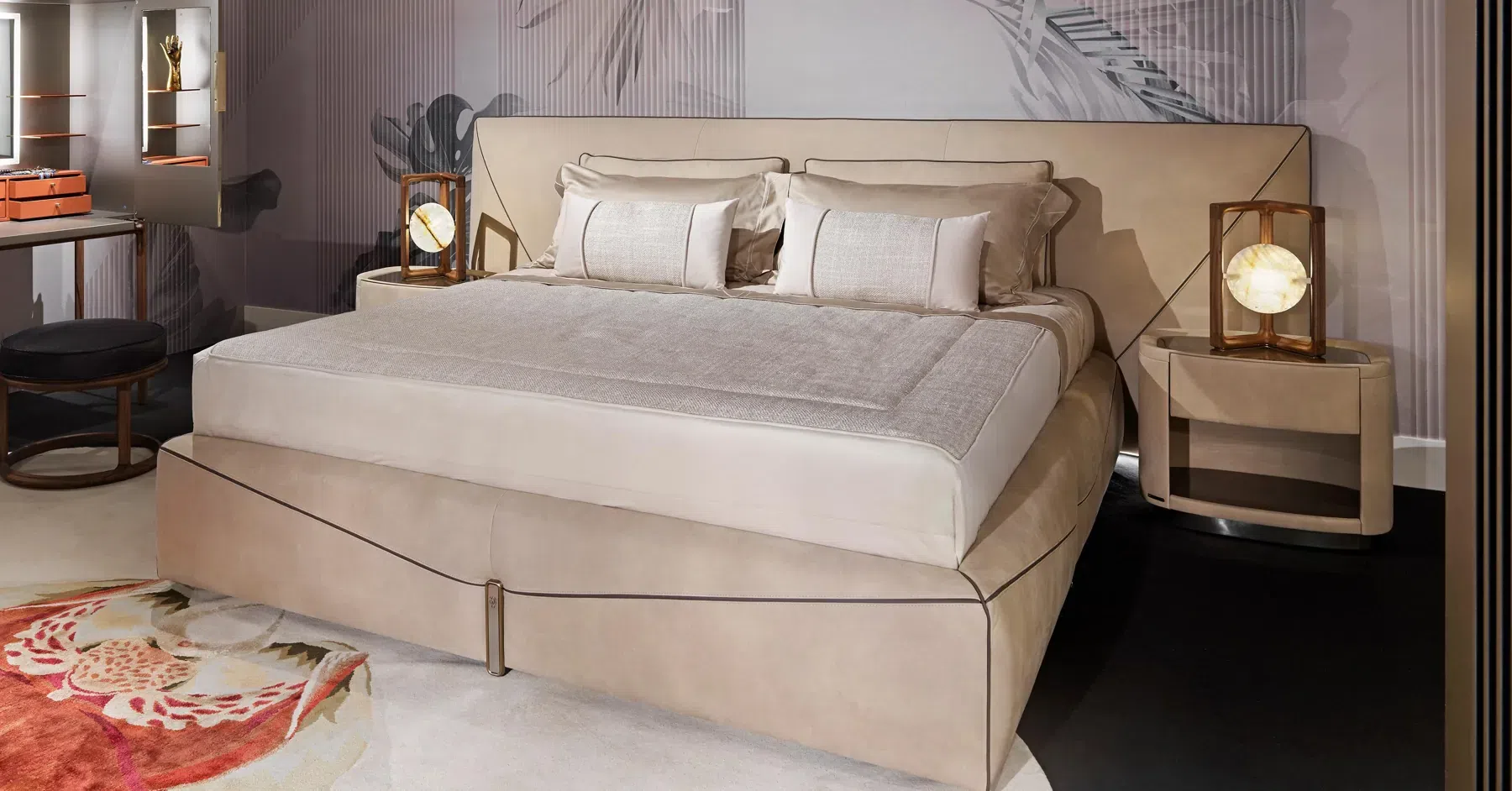
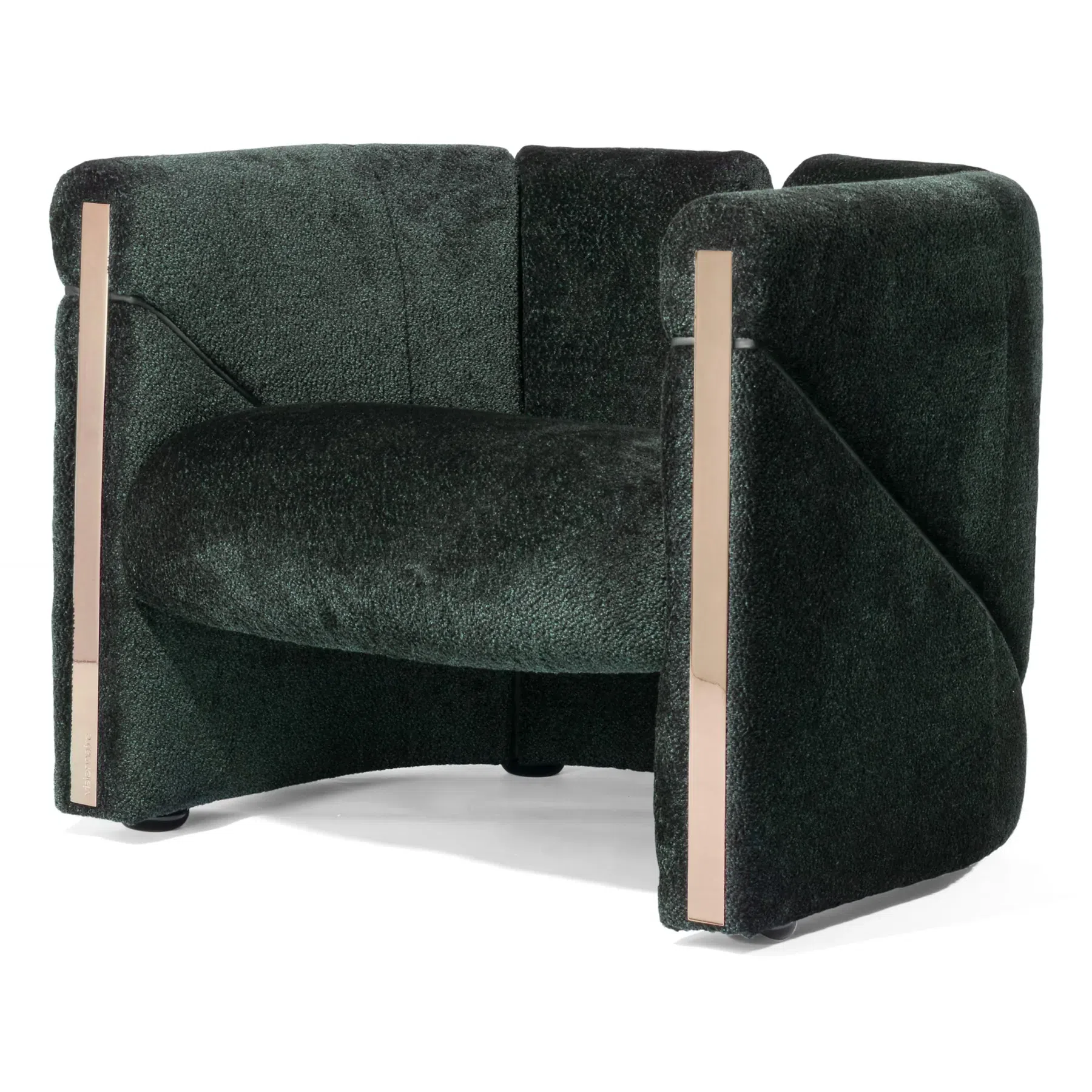
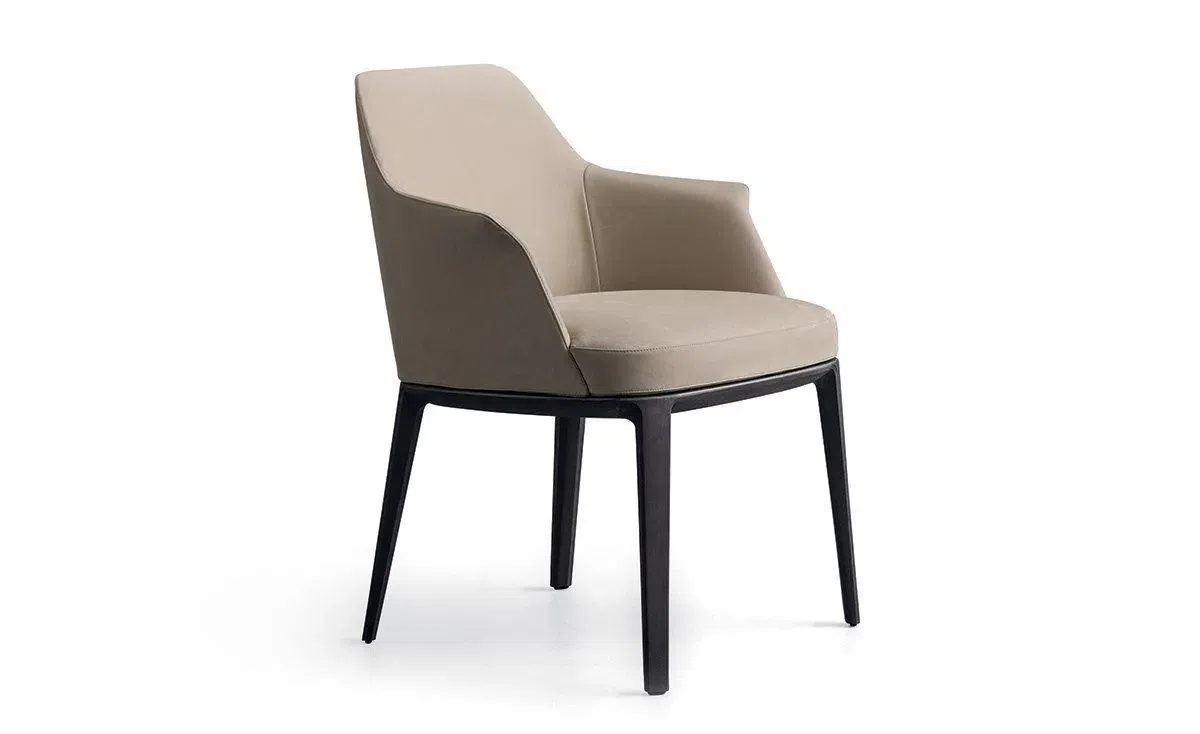
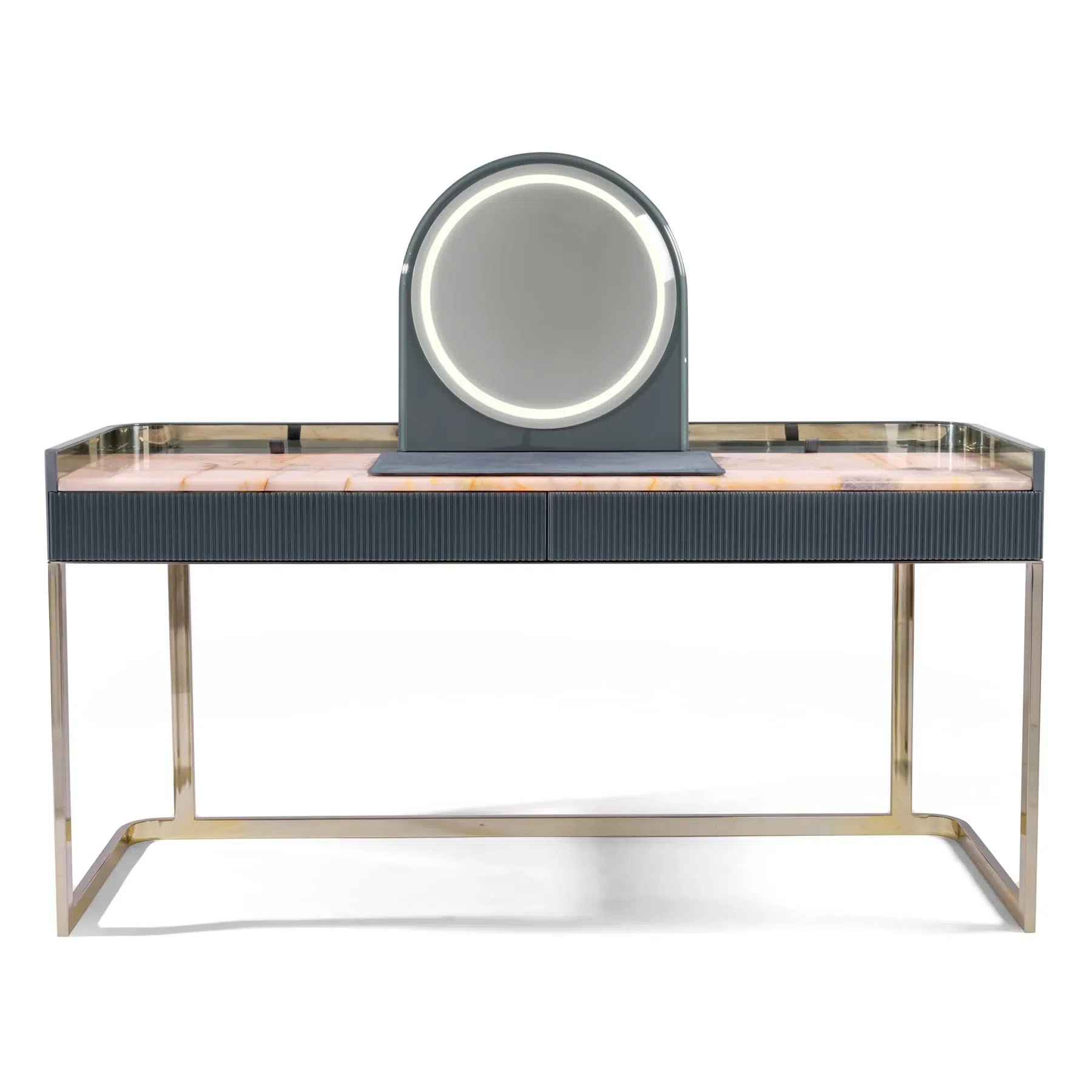
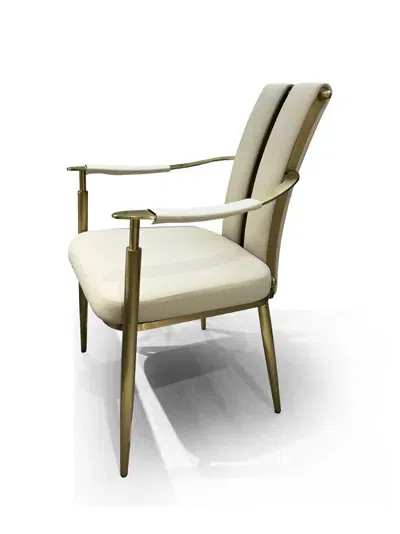
- Silhouettes: curved armchairs, high upholstered headboards, quilted and channel-stitched surfaces.
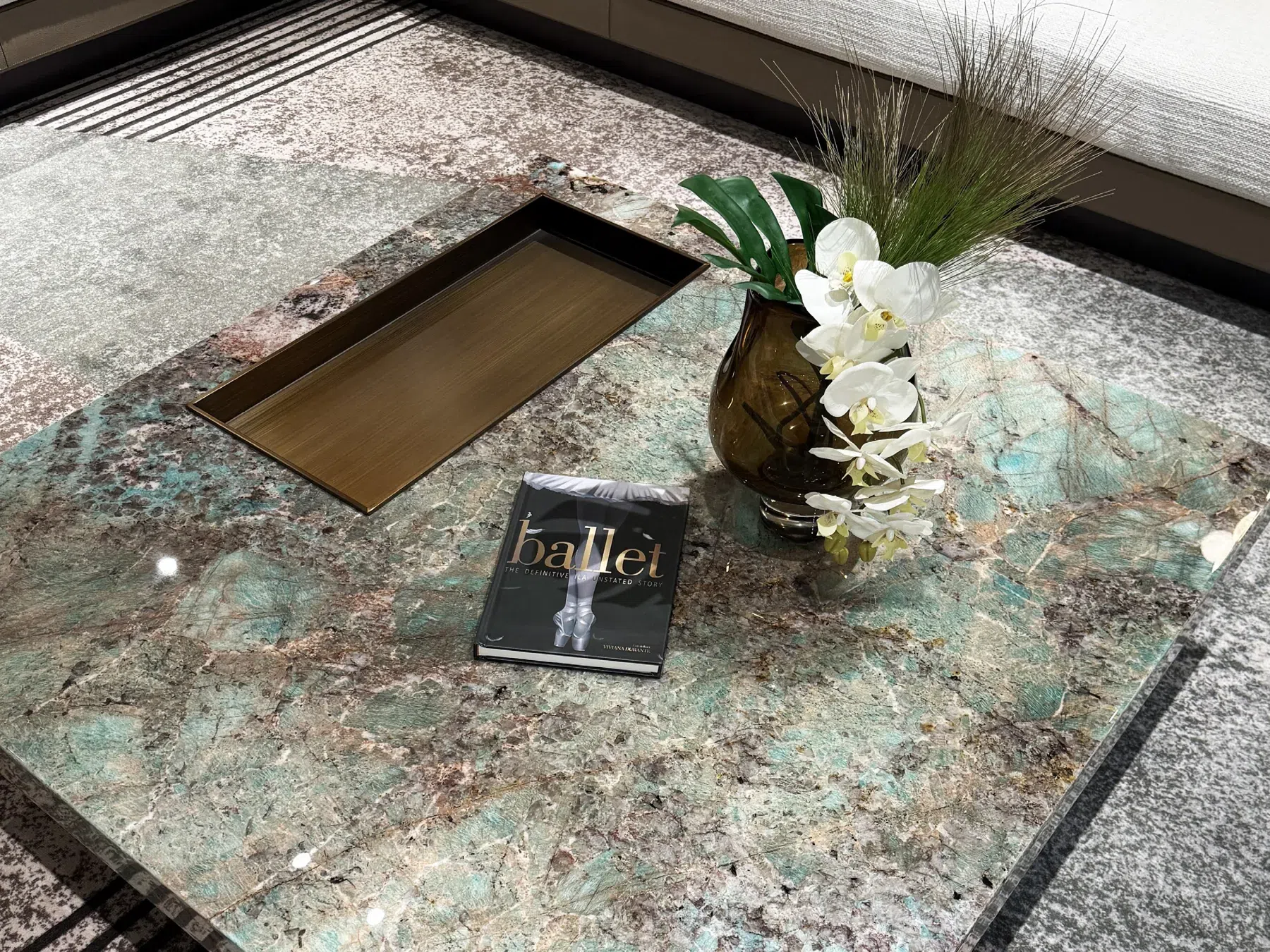
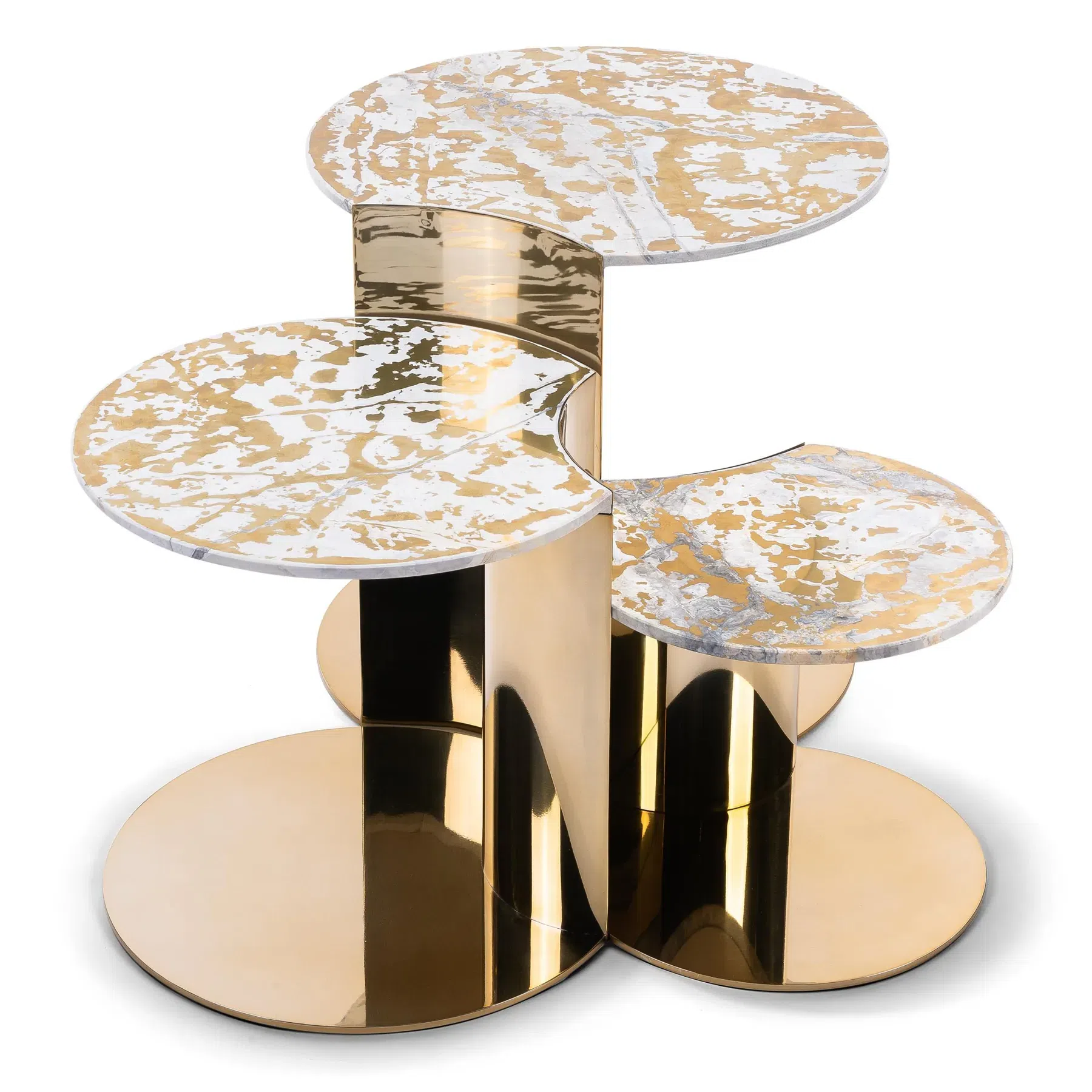
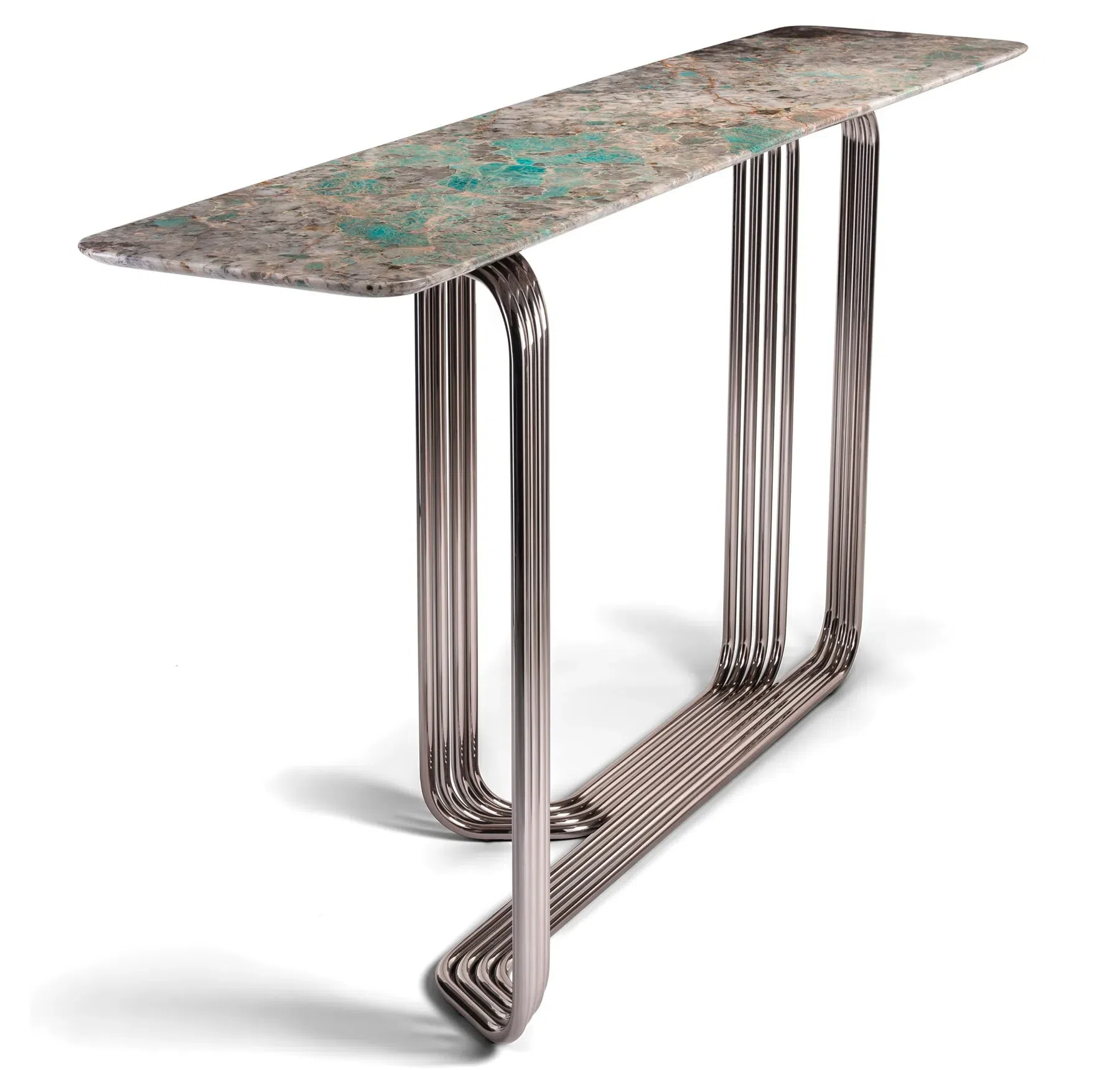
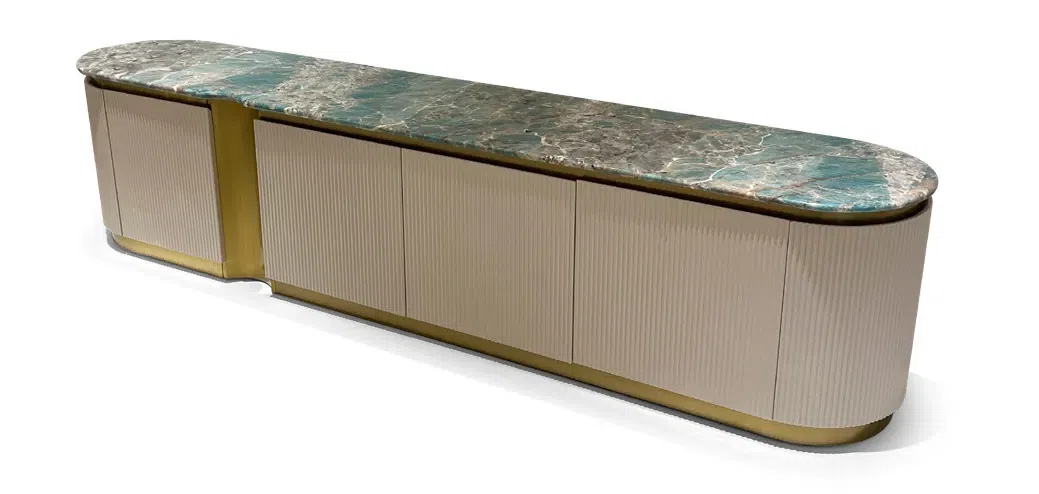
- Materials: velvet, nubuck, natural stone with strong veining, smoked glass, champagne or brass-tone metal.
- Colour: cream and camel bases with jewel accents such as emerald, sapphire or burnt orange.
It works well in villas, penthouses and boutique hospitality where a stronger statement is welcome. See the Light Luxury Series.
How to choose
Start with the architecture and the end user. Large windows and strong views favour minimalism; enclosed rooms and evening-focused spaces often benefit from the warmth of light luxury. Many projects combine the two — a minimal living room with a more tailored master bedroom, for example — as long as the colour palette and metal finishes stay consistent.